
Anxiety and Depression Ayurvedic Treatment in Jaipur: Calming Vata for Emotional Balance

Anxiety and depression Ayurvedic treatment focuses on calming aggravated Vata affecting the nervous system through therapies such as Shirodhara, supportive herbal formulations and a stabilizing daily routine — used as a complementary approach alongside, not a replacement for, psychiatric or psychological care.
How Ayurveda Views Anxiety and Low Mood
Classical Ayurveda links persistent worry, restlessness and low mood to aggravated Vata dosha disturbing Manas (the mind) and the nervous system, often worsened by irregular routine, poor sleep, excess stimulation and unresolved stress. This is a traditional framework for understanding contributing lifestyle factors, and is distinct from clinical diagnoses of anxiety disorder or depression, which require assessment by a qualified mental health professional.
How Ayujivan Approaches Emotional Wellbeing
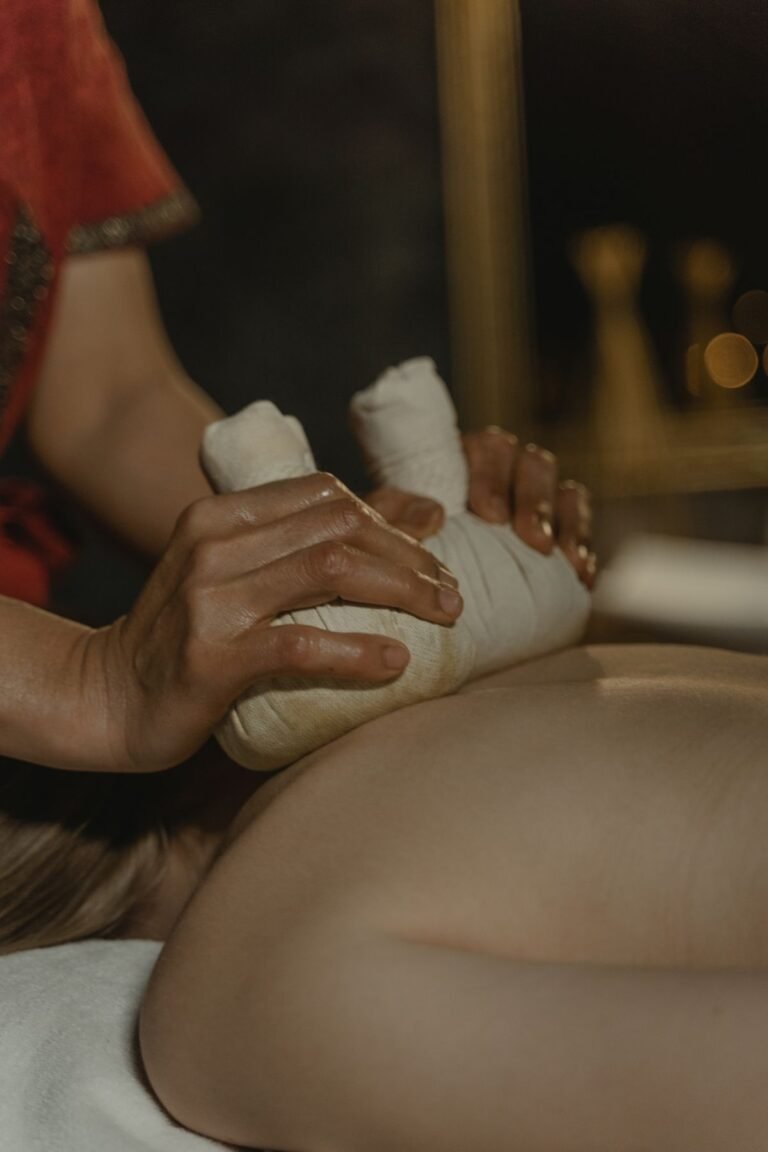
Care begins with an open conversation about your symptom history, sleep pattern, daily stressors and any existing psychiatric or psychological treatment, so that Ayurvedic support is coordinated safely alongside it. A plan may include Shirodhara (a continuous stream of warm oil poured over the forehead, known for its calming effect on the nervous system), Abhyanga, Vata-pacifying herbal formulations, and Nasya where appropriate, combined with guidance on sleep hygiene and routine.
Daily Practices That Support the Treatment
Alongside in-clinic therapy, patients are usually guided toward a steady Dinacharya — consistent sleep and wake times, warm nourishing meals, reduced screen time before bed, and gentle practices such as Yoga Sadhana or breathing exercises. These daily habits are considered central to sustaining the calming effect of the therapies rather than optional extras.
What This Approach Does Not Claim
Ayurvedic therapy is not presented as a treatment for clinically diagnosed anxiety disorders, depression or any psychiatric condition, and it does not replace prescribed medication, therapy or psychiatric care. Anyone experiencing persistent low mood, hopelessness or thoughts of self-harm should seek immediate support from a mental health professional or crisis helpline rather than relying on complementary therapy alone.
Frequently Asked Questions
Can Shirodhara replace my anti-anxiety medication?
No. It is intended as a supportive, calming therapy alongside your prescribed treatment — never stop or change medication without your treating doctor’s guidance.
Is this suitable if I have never tried Ayurveda before?
Yes, most patients are new to these therapies; a proper assessment during your first consultation will determine whether Shirodhara and related therapies are appropriate for you.
How soon might I notice a calming effect?
Some people report feeling more relaxed after a few sessions, but sustained emotional balance typically depends on consistent routine and follow-up over a longer course.
Will I need to keep coming back for sessions?
Most plans involve a short course of sessions rather than a single visit, since the calming effect of Shirodhara and related therapies tends to build with consistency, and your physician will review progress at each follow-up.
Related Reading
Feeling persistently stressed, low or unable to sleep well? Ayujivan is opening first week of August 2026 — book now to get 50% off your first consultation (limited early-bird slots).
This article is for general information only and is not a substitute for professional psychiatric or psychological care. If you are in emotional distress or crisis, please reach out to a mental health professional or a crisis helpline without delay.