Winter Dry Skin Ayurveda: Simple Ways to Balance Vata Dosha Naturally in the Cold Season
Why Does Winter Weather Trigger Dry and Flaky Skin?
As winter sets in, cold winds and drop in temperature often leave our skin feeling parched, rough, and irritated. In the context of winter dry skin ayurveda, this seasonal change is seen as an increase in the Vata dosha, which embodies qualities of dryness, coldness, and lightness.
How Does Ayurveda Explain Winter Dry Skin?
According to classical Ayurvedic principles, skin health is deeply connected to internal balance, nutrition, and the body’s digestive fire, or Agni. When external weather becomes cold and dry, it aggravates Vata dosha within the body’s channels, drawing moisture away from the deeper tissue layers (Dhatus) like Rasa and Rakta. This imbalance manifests externally as rough texture, cracking, and dullness, making winter dry skin ayurveda care essential for restoring natural hydration and smooth texture.
Ayurvedic management does not rely merely on surface-level moisturizers. Instead, it focuses on pacifying the aggravated Vata dosha through a combination of tailored dietary choices, internal herbal support when required, and nourishing external therapies. Understanding your unique Prakriti-Vikriti assessment helps tailor these seasonal care routines more effectively.
Ayurvedic Perspective on Skin Types and Seasonal Care
Every individual possesses a unique mind-body constitution, known as Prakriti, which dictates how their skin reacts to seasonal shifts. People with a predominant Vata constitution are naturally more prone to winter dryness, while those with Pitta or Kapha constitutions may experience different seasonal skin patterns. Winter dry skin ayurveda approaches emphasize recognizing these inherent tendencies before adopting any daily regimen.
The Role of Agni and Deep Tissue Nourishment
Healthy skin begins with proper digestion and assimilation of nutrients. When digestive fire fluctuates during colder months, the quality of nutritional plasma (Rasa Dhatu) may decline, leading to undernourished skin layers. Traditional practices therefore focus on kindling digestive fire with warm, freshly cooked foods and gentle spices.
Traditional External Care Practices for Dry Skin
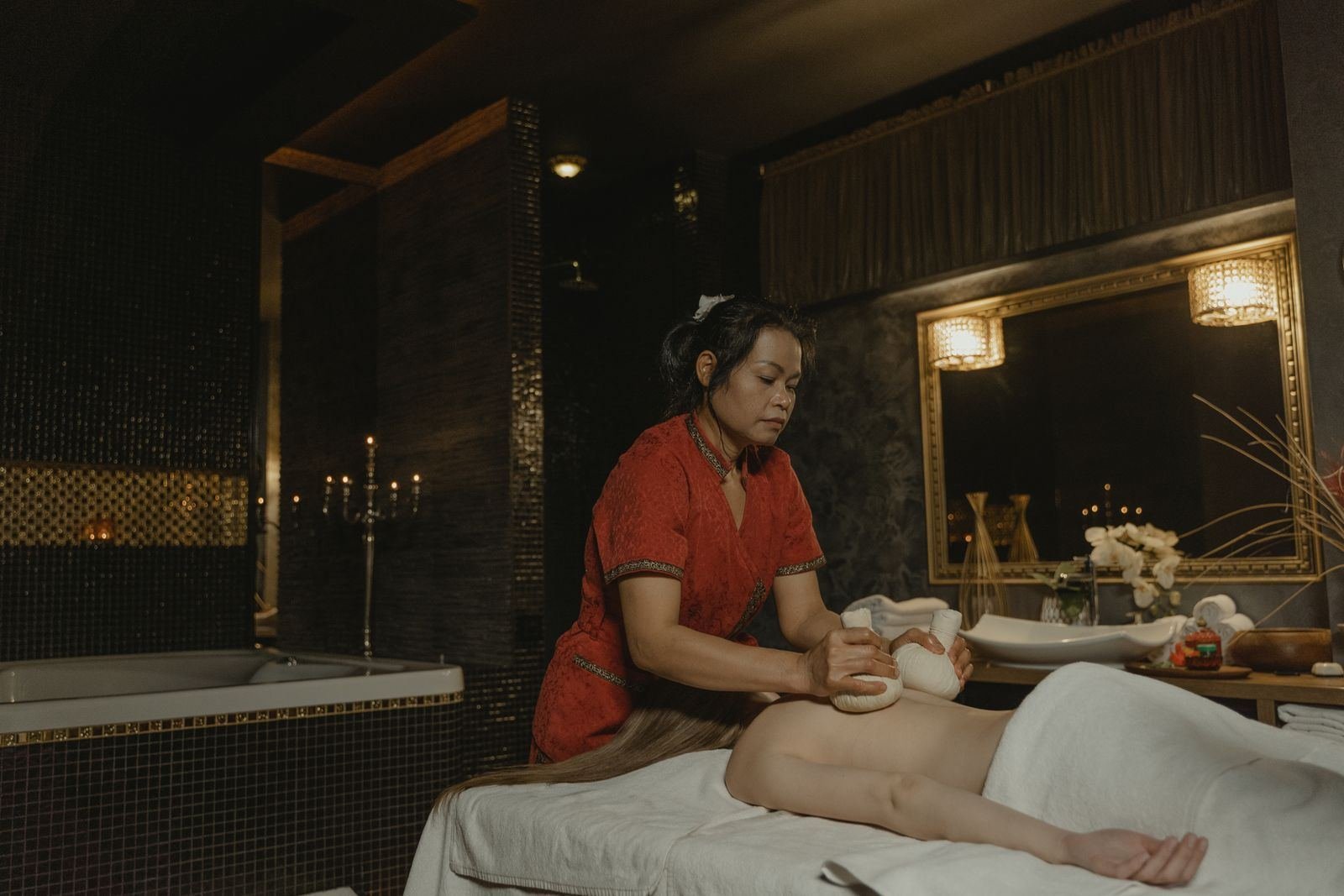
External nourishment plays a vital role in counteracting the cold, dry qualities of winter. Traditional Ayurvedic texts recommend regular oil application, known as Abhyanga, to pacify Vata dosha and lock in natural moisture.
- Warm Oil Self-Massage: Massaging the body with warm, herbalized sesame or almond oil before bathing helps soothe the nervous system and nourish dry skin.
- Herbal Ubtans: Replacing harsh soaps with gentle, natural cleansing pastes made from chickpea flour, milk, and soothing herbs prevents natural oils from being stripped away.
- Steam Therapy (Swedana): Mild herbal steam helps open pores and allows botanical oils to penetrate deeper skin layers effectively.
For individuals seeking specialized care, therapies like Abhyanga and Swedana performed under professional guidance at our clinic in Jaipur can offer profound rejuvenation.
Dietary and Lifestyle Adjustments for the Cold Season
What you consume internally is just as important as what you apply externally. To combat winter dryness from within, consider the following traditional guidelines:
- Favor Warm and Moist Foods: Consume freshly prepared, warm meals that include healthy fats like pure cow’s ghee, sesame seeds, and warm soups.
- Stay Hydrated with Warm Water: Sip on warm water or herbal infusions throughout the day rather than cold beverages to support internal balance.
- Include Healthy Fats: Incorporate nuts, seeds, and cold-pressed oils in moderation to naturally support tissue lubrication.
- Protect Against Cold Winds: Wear appropriate clothing to shield delicate facial and hand skin from harsh outdoor weather.
To explore more wellness suggestions tailored to seasonal changes, visit our health tips section.
When Should You Consult an Ayurvedic Doctor?
While mild seasonal dryness is common, persistent skin issues require professional evaluation. You should consult a qualified Ayurvedic physician if you experience chronic cracking, severe inflammation, signs of infection, or if home care routines do not provide comfort. Experienced practitioners like Dr. Krishan Choudhary and Dr. Vasudev Singh can evaluate your overall constitution and recommend personalized herbal formulations or Panchakarma therapies.
Frequently Asked Questions
What causes winter dry skin according to Ayurveda?
Ayurveda attributes winter dryness to the seasonal aggravation of Vata dosha, which possesses cold, dry, and rough qualities that deplete natural skin moisture.
Can diet affect dry skin during winter?
Yes, consuming cold, raw, or dry foods can further increase Vata dosha. Warm, nourishing foods cooked with healthy fats like ghee support internal hydration.
Is oil massage helpful for winter skin care?
Regular application of warm herbal oils, known as Abhyanga, is traditionally recommended to pacify Vata, nourish deep tissues, and protect skin from cold weather.
How can I book a consultation at Ayujivan Ayurveda?
You can easily schedule an appointment with our expert practitioners in Macheda, Jaipur, by visiting our website or reaching out directly.
Experience personalized care for your seasonal health needs at Ayujivan Ayurveda & Panchkarma, Jaipur. To book an appointment, please visit Book Consultation or call/WhatsApp us at 9351504678.
This article is for general education and is not a substitute for a personal medical consultation. See our medical disclaimer.