
Panchakarma Detox Myths and Facts: What You Need to Know
Panchakarma is one of the most well-known traditional purification systems in Ayurveda, yet it is often misunderstood. In modern wellness spaces, various misconceptions about cleansing routines tend to overshadow the true depth of authentic classical therapies. Sorting through these ideas helps individuals make informed decisions about their health and wellness journey.
What are the common panchakarma detox myths and facts?
The primary myth is that Panchakarma is simply a quick spa cleanse or a harsh fasting routine, whereas the fact is that it is a deeply individualized, multi-staged medical therapy designed to restore balance to the doshas. It requires careful preparation, precise procedural steps, and structured post-therapy care supervised by trained practitioners. Understanding these distinctions ensures that individuals approach traditional care with proper awareness and realistic expectations.
Myth 1: Panchakarma Is Just a Luxury Spa Massage
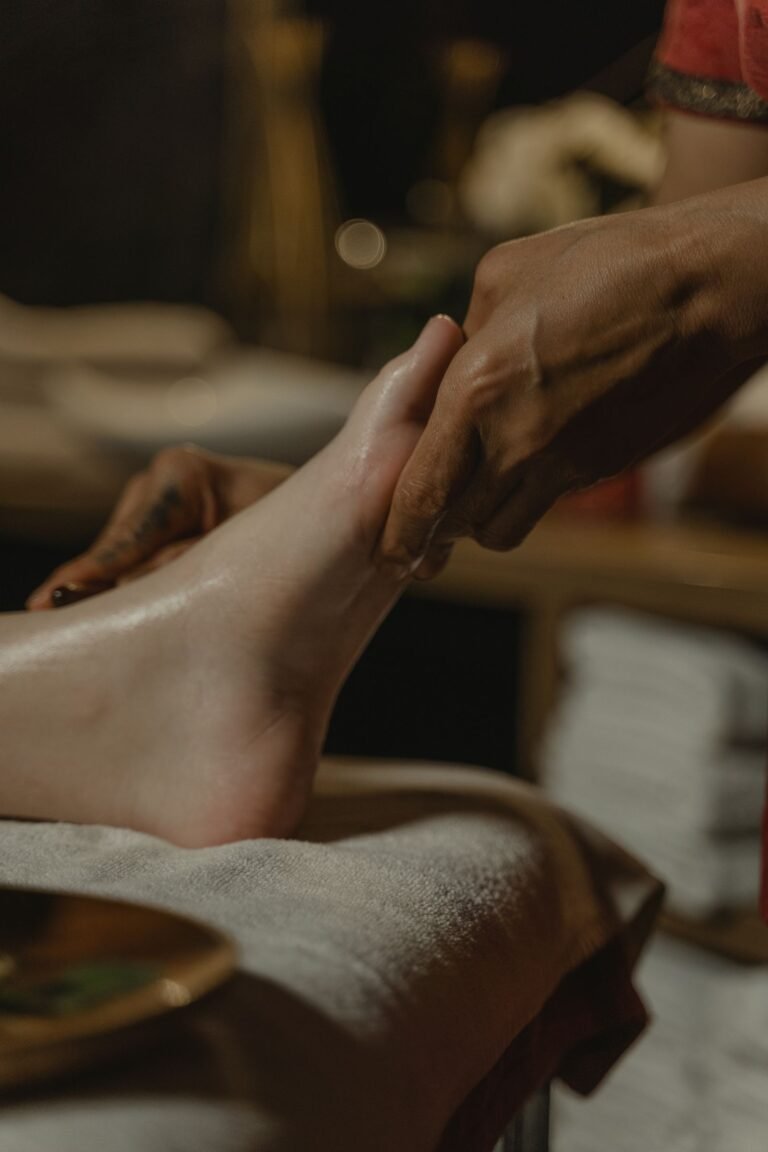
Many people assume that undergoing Panchakarma means checking into a wellness resort for a relaxing massage or a weekend steam bath. While therapies like Abhyanga and Swedana feel deeply relaxing, they represent only a supportive fraction of the complete protocol.
Authentic Panchakarma treatments are clinical procedures designed to address deep-seated imbalances in the body. The five core actions—Vamana, Virechana, Basti, Nasya, and Raktamokshana—aim to gently guide accumulated metabolic wastes back to the digestive tract for elimination. This process requires medical supervision, dietary preparation, and customized internal oleation rather than a one-size-fits-all relaxation session.
Myth 2: It Is a Harsh, Rapid Weight Loss Program
Another prevalent misconception is that cleansing therapies are meant for rapid weight loss or aggressive purging. While individuals may notice changes in body composition or bloating after a structured routine, weight loss is a secondary byproduct rather than the primary therapeutic goal.
Ayurvedic purification focuses on restoring metabolic fire, known as Agni, and clearing channels of circulation, called Srotas. The approach emphasizes tissue nourishment and physiological balance. Individual results vary significantly based on body constitution, which can be understood through a detailed Prakriti-Vikriti assessment.
Myth 3: Anyone Can Do Any Panchakarma Procedure Anytime
A dangerous assumption is that anyone can walk in and request a specific purification therapy based on online trends or recommendations from friends. Ayurveda emphasizes that every individual has a unique constitution and specific current imbalances.
Undergoing therapies without proper clinical evaluation may lead to strain rather than relief. Experienced practitioners, such as our doctors at Ayujivan Ayurveda & Panchkarma in Jaipur, first evaluate the patient’s digestive capacity, strength, age, and seasonal suitability before recommending any specific path of care.
Myth 4: You Can Perform Panchakarma at Home with DIY Kits
With the rise of wellness content online, many commercial products market themselves as home Panchakarma kits. True classical purification cannot be safely replicated at home without professional medical guidance.
The preparatory phase, known as Purvakarma, involves consuming specific medicated ghee preparations in increasing quantities under strict observation. The main procedures require trained therapists to monitor vital signs and manage physiological responses. Attempting intensive cleansing processes without professional oversight may lead to complications.
The Facts: What Authentic Panchakarma Actually Involves
Separating fiction from reality reveals the structured nature of traditional care. Authentic purification follows a clear three-stage framework:
- Purvakarma (Preparation): Includes internal and external oleation and therapeutic sweating to loosen deep-rooted toxins.
- Pradhanakarma (Main Procedures): The customized administration of Vamana, Virechana, Basti, Nasya, or Raktamokshana based on individual needs.
- Paschatkarma (Post-Care): A gradual return to normal diet and lifestyle, known as Samsarjana Krama, to rebuild digestive strength safely.
When guided by qualified professionals in Jaipur, this holistic system supports long-term vitality and natural balance.
When should you consult an Ayurvedic doctor?
You should consider scheduling a consultation with a qualified practitioner if you experience persistent digestive sluggishness, chronic fatigue, recurring joint discomfort, or unexplained skin dullness that does not improve with routine lifestyle adjustments. Professional assessment is particularly important for individuals managing chronic conditions or those seeking structured seasonal wellness routines. Consulting experts ensures that your care plan aligns safely with your body’s specific requirements.
Frequently Asked Questions
Is Panchakarma painful or uncomfortable?
Authentic therapies are designed to be supportive rather than painful. While certain procedures may feel unusual or tiring, proper preparation ensures the body is ready, and practitioners monitor the process closely to minimize discomfort.
How long does a complete Panchakarma program take?
The duration varies widely depending on individual health goals, current imbalances, and the specific procedures required. A comprehensive program can range from one week to several weeks, including preparation and recovery phases.
Can elderly individuals or children undergo these therapies?
Modified supportive therapies may be considered for different age groups under strict medical supervision. However, intensive cleansing procedures are generally reserved for individuals with adequate strength.
How often should one undergo purification therapies?
Many traditional texts suggest undergoing seasonal cleansing routines to help the body adapt to changing environmental influences. An Ayurvedic physician can determine the appropriate frequency based on your personal health profile.
To explore personalized wellness guidance and traditional purification therapies, visit Ayujivan Ayurveda & Panchkarma in Jaipur. Book your consultation today through Book Consultation, or call or WhatsApp us at 9351504678.
This article is for general education and is not a substitute for a personal medical consultation. See our medical disclaimer.