Bedwetting in Children: Ayurvedic Causes, Daily Care & Gentle Support
Bedwetting in children, known as nocturnal enuresis in modern medical terminology, is a common developmental challenge faced by many families. While it can cause emotional stress and disruption to a child’s confidence, Ayurveda provides a gentle, holistic lens to understand and manage this condition naturally.
How Does Ayurveda Explain Bedwetting in Children?
In classical Ayurveda, bedwetting in children is termed as Shayya Mutra (where Shayya means bed and Mutra means urine). According to Ayurvedic principles, bedwetting in children ayurveda care focuses on balancing Apana Vayu (the sub-dosha of Vata controlling lower body excretion) and Mano Vaha Srotas (mental channels), alongside supporting healthy urinary tract development and digestion.
Understanding Shayya Mutra: The Ayurvedic Perspective
Bedwetting is extremely common in young growing children. From an Ayurvedic standpoint, a child’s body is naturally dominated by Kapha dosha during early childhood development. This Kapha dominance promotes deep, heavy sleep cycles. Simultaneously, the nervous system and the urinary channels (Mutravaha Srotas) are still undergoing structural and functional maturation.
When the Apana Vayu—the subtype of Vata responsible for regulating the downward movement of waste products such as urine and stool—lacks proper coordination or becomes aggravated, bladder control during deep sleep may become compromised. Additionally, classical texts identify several underlying systemic factors that can contribute to Shayya Mutra:
- Mandagni (Weak Digestive Fire): Impaired digestive fire leads to the accumulation of Ama (undigested metabolic byproduct), which can irritate the digestive tract and pelvic region.
- Krmiroga (Parasitic or Worm Infestations): Classical Ayurvedic scriptures strongly correlate intestinal worms with nocturnal bedwetting, as worm activity during the night creates reflex irritation in the bladder and rectum area.
- Manasika Factors (Psychological Drivers): Childhood anxiety, school stress, fear, family shifts, or emotional insecurity can aggravate Vata dosha, disturbing the neuro-muscular signaling between the brain and bladder during rest.
- Dhatu Immaturity: The structural tissues (Dhatus), particularly muscle tissue (Mamsa Dhatu) around the urinary sphincter, are still growing and strengthening in young children.
Understanding a child’s unique mind-body constitution through a professional Prakriti-Vikriti assessment helps in identifying why Apana Vayu and Kapha are out of balance in a specific individual.
Common Triggers and Contributing Factors in Children
While Shayya Mutra is often a normal part of developmental progression up to 5 or 6 years of age, recognizing individual triggers empowers parents to support their child effectively. Here are several factors that may contribute to bedwetting in children ayurveda physicians frequently observe during clinical consultations:
1. Deep Sleep Patterns
Children naturally sleep very soundly due to their Kapha-predominant biological stage. When the bladder becomes full during the night, the sensory signal sent to the brain may not be strong enough to wake a deeply sleeping child, leading to involuntary contraction of the bladder muscles.
2. Excess Fluid Intake Before Bedtime
Consuming large volumes of fluids, especially cold milk, sweetened juices, or cold water right before sleeping, naturally increases nocturnal urine volume. This places an unnecessary fluid burden on a maturing urinary sphincter.
3. Intestinal Worm Infestations
Intestinal parasites remain a widely overlooked reason for nighttime restlessness and urinary urgency. Parasitic movement in the bowel near the bladder triggers reflex nerve stimulation, prompting nocturnal urination.
4. Constipation and Pelvic Pressure
In Ayurvedic physiology, the rectum and bladder share the same pelvic lower region governed by Apana Vayu. Chronic constipation creates dry, hard stool in the lower colon, which exerts direct physical pressure on the bladder, reducing its holding capacity and destabilizing nerve reflexes.
Ayurvedic Care Strategies for Managing Bedwetting
Ayurvedic supportive care for Shayya Mutra does not rely on harsh interventions. Instead, it combines dietary modifications (Ahara), routine adjustments (Vihara), and gentle, classical routines to support the child’s physiological development.
Dietary Guidelines (Ahara)
Nourishing the digestive fire while preventing excess fluid buildup before bedtime is essential for maintaining balance:
- Early Dinner Timings: Encourage children to finish their evening meal at least 2 to 3 hours before going to sleep. The evening meal should be warm, light, easy to digest, and low in heavy fats.
- Managing Fluid Schedule: Ensure the child stays well-hydrated throughout the morning and afternoon hours. Gradually reduce fluid consumption after sunset, allowing only small sips of warm water if thirsty.
- Reducing Kapha-Aggravating Foods: Limit cold milk, yoghurt, heavy cheeses, refined sugar, processed snacks, and ice creams during late evening hours, as these tend to increase Kapha and fluid accumulation.
- Digestive Spices: Incorporate digestive spices like cinnamon, cardamom, nutmeg, and cumin in small quantities into daily meals to stimulate Agni and soothe Vata dosha.
Lifestyle and Habit Building (Vihara)
Establishing predictable daily habits helps retrain the nervous coordination connecting the bladder to the brain:
- Double Voiding Bedtime Routine: Have your child urinate roughly 30 minutes before bed, and once more immediately before getting into bed. This helps ensure the bladder is completely empty before sleep.
- Scheduled Awakening: Gently wake your child 2 to 3 hours after they fall asleep to use the bathroom. Over time, this helps build neurological awareness of full bladder sensations.
- Warm Abdominal Application: A soft, gentle massage over the lower abdomen using warm sesame oil, followed by mild warmth, helps soothe aggravated Apana Vayu and reduce lower abdominal tension. Explore supportive options through personalized Ayurvedic treatments under clinical guidance.
Supportive Herbs and Holistic Approaches
Ayurveda traditionally references several gentle botanical ingredients and therapies that support nervous system stability, tissue strength, and digestive balance in pediatric wellness. These are customized by Vaidyas based on individual requirements:
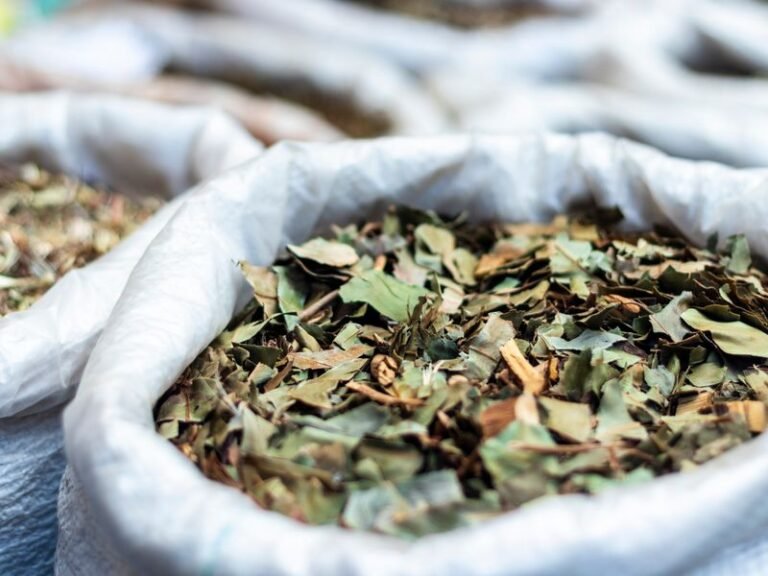
- Medhya Herbs (Nervine Tonics): Classical plants like Brahmi, Shankhpushpi, and Mandukaparni are traditionally used to support nervous system vitality and strengthen brain-bladder coordination.
- Krmighna Herbs (Anti-parasitic Support): Herbs like Vidanga are used under expert guidance to clear intestinal parasites and maintain gut health when worm infestations are suspected.
- Vata-Pacifying Tonics: Herbs like Ashwagandha and Bala may support overall tissue strength and bolster muscle tone around the pelvic region.
- Suvarna Prashan: An ancient pediatric administration regimen designed to enhance general immunity, memory, and cognitive growth in developing children.
All herbal guidance must be personalized by a qualified Ayurvedic doctor. Doses, choice of herbs, and duration are determined based on the child’s age, physical build, and underlying health profile.
When Should You Consult an Ayurvedic Doctor?
While bedwetting in young children is often a normal developmental phase, parents should remain watchful for red-flag symptoms that require immediate clinical evaluation:
- Pain, burning sensation, or crying during urination.
- Visible blood in the urine, cloudy urine, or persistent unusual odor.
- Sudden onset of bedwetting after a long period (6+ months) of complete nighttime dryness.
- Daytime incontinence or loss of bowel control.
- Excessive, unquenchable thirst accompanied by unusually frequent daytime and nighttime urination.
- Weak urine stream, straining to urinate, or continuous dribbling.
- Associated fever, unexplained weight loss, or persistent lower back pain.
If you observe any of these symptoms, schedule a professional clinical evaluation promptly. You can consult with our team of experienced Ayurvedic doctors in Macheda, Jaipur to rule out underlying infections, anatomical concerns, or metabolic conditions.
Frequently Asked Questions
Is bedwetting normal in children up to 6 years of age?
Yes, nighttime bladder control is a developmental process that varies from child to child. Up to age 5 or 6, nocturnal bedwetting is considered relatively common as the central nervous system and bladder muscles continue to mature.
Can stress or emotional changes cause a child to wet the bed?
Yes, emotional stress, school pressure, or major family changes can disturb Vata dosha and interrupt normal brain-bladder communication, leading to temporary episodes of bedwetting.
How do intestinal worms relate to bedwetting in Ayurveda?
Ayurvedic principles highlight that intestinal worms (Krmi) cause irritation in the lower bowel and rectal area. This localized irritation can reflexively trigger bladder contraction during deep nighttime sleep.
How long does Ayurvedic supportive care take to show progress in Shayya Mutra?
Progress varies for every child depending on age, digestive health, and daily consistency. Practicing consistent dietary routines, lifestyle habit building, and following expert Ayurvedic guidance over a period of weeks to months generally yields healthy, lasting support.
Take the Next Step for Your Child’s Health in Jaipur
If your child is experiencing persistent bedwetting and you seek gentle, individualized guidance rooted in authentic principles, visit Ayujivan Ayurveda & Panchkarma in Macheda, Jaipur. Our experienced physicians, Dr. Krishan Choudhary and Dr. Vasudev Singh, provide personalized care for pediatric health concerns. Book Consultation online today or call / WhatsApp us at 9351504678 to speak with our clinical team.
This article is for general education and is not a substitute for a personal medical consultation. See our medical disclaimer.