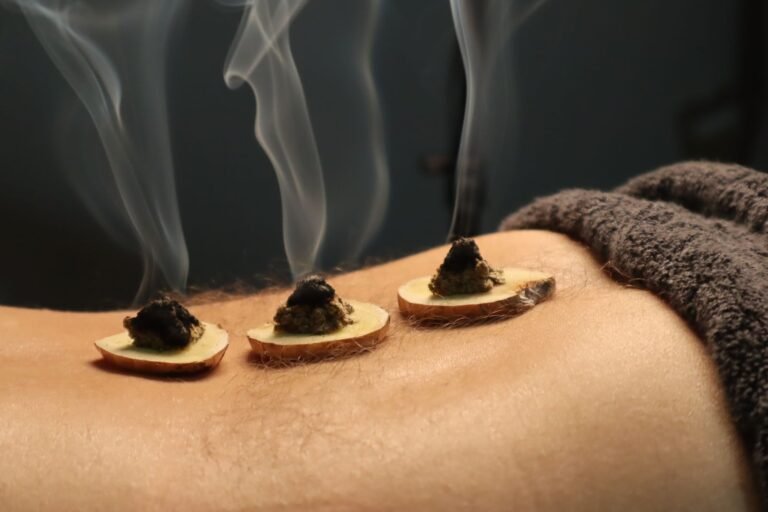

First Panchakarma Session: Step-by-Step Guide to What You Can Expect
Embarking on your first Panchakarma journey is a significant step toward holistic well-being and deep physical rejuvenation. Many individuals feel curious and slightly uncertain about what happens during these traditional Ayurvedic cleansing therapies. Understanding the process can help you feel calm, prepared, and ready to embrace the healing traditions of Ayurveda right here in Jaipur.
What should you expect during your first Panchakarma session?
During your first Panchakarma session, you can generally expect a thorough initial consultation, a customized preparation plan, and gentle preliminary therapies tailored to your unique body constitution. Qualified Ayurvedic physicians carefully assess your health history before recommending any specific procedures to ensure safety and comfort. Individual results vary based on personal health goals and body type.
The Importance of an Initial Ayurvedic Consultation
Before any physical therapies begin, your wellness journey starts with a detailed conversation with an experienced practitioner. At Ayujivan Ayurveda & Panchkarma in Jaipur, our expert team—including Dr. Krishan Choudhary and Dr. Vasudev Singh—takes time to understand your daily routine, dietary habits, stress levels, and specific health concerns.
- Prakriti Assessment: Determining your innate mind-body constitution to understand your natural tendencies.
- Vikriti Evaluation: Identifying any current imbalances that may be causing discomfort or fatigue.
- Medical History Review: Discussing past illnesses, current medications, and lifestyle factors.
This thorough evaluation allows the practitioners to design a personalized care plan rather than following a one-size-fits-all approach. You can also explore our specialized treatments to learn more about the various therapies offered.
Understanding the Three Phases of Panchakarma
Panchakarma is not just a single treatment; it is a comprehensive, multi-step detoxification and rejuvenation program. Traditionally, the process is divided into three distinct phases to ensure the body is properly prepared, cleansed, and nourished.
1. Purva Karma (Preparation Phase)
Before the main cleansing procedures take place, the body needs to be prepared. This phase loosens deep-seated toxins (ama) and directs them toward the digestive tract. It typically involves internal oleation (consuming measured amounts of medicated ghee) and external oleation (Abhyanga or oil massage) along with gentle steam therapy (Swedana).
2. Pradhana Karma (Primary Cleansing Phase)
This is the core of the Panchakarma experience, consisting of specific therapeutic procedures chosen according to your individual needs. Depending on the guidance of your physician, this may include therapies such as Vamana (therapeutic vomiting), Virechana (purgation), Basti (medicated enemas), Nasya (nasal administration), or Raktamokshana (blood purification). Each procedure is conducted under careful supervision in a serene environment.
3. Paschat Karma (Post-Treatment Care)
Once the cleansing phase is complete, your digestive fire (Agni) needs gentle rebuilding. This phase includes a progressive dietary regimen (Samsarjana Krama), lifestyle recommendations, and herbal supplements designed to sustain the benefits of the therapy and prevent imbalance from returning.
What to Wear and Bring to Your Session
Comfort is key during your Panchakarma therapies. Knowing what to expect regarding your attire and personal items can help ease any pre-appointment jitters.
- Comfortable Clothing: Wear loose, older clothes that you do not mind getting a little oil on, as traditional herbal oils are frequently used in therapies like Abhyanga and Shirodhara.
- Light Meals: Follow any dietary instructions provided by your doctor regarding when to eat before your appointment. Avoid heavy, oily, or processed meals right before your session.
- Hygiene Items: Bringing a change of clothes, a gentle towel, or comfortable footwear for your return trip home can make your experience much more pleasant.
Managing Expectations: Patience and Consistency
Ayurveda emphasizes gentle, gradual healing rather than instant fixes. While some people feel an immediate sense of lightness and deep relaxation after their very first session, true balancing of doshas takes time and consistency. It is essential to follow all post-treatment dietary and lifestyle guidelines provided by your practitioner to get the most out of your care plan. You can read more about maintaining wellness by checking our helpful health tips.
When should you consult an Ayurvedic doctor?
You should consider consulting an qualified Ayurvedic physician if you experience chronic fatigue, digestive discomfort, sleep disturbances, joint stiffness, high stress levels, or a general feeling of bodily heaviness that lifestyle changes alone do not resolve. A professional consultation ensures that you receive guidance tailored to your specific health profile, especially if you are managing ongoing health conditions or taking regular medications. If you are planning a comprehensive wellness routine, exploring our curated wellness packages can be a great starting point.
Frequently Asked Questions
Is Panchakarma painful?
No, authentic Panchakarma therapies are generally designed to be soothing and relaxing. While some internal cleansing steps require discipline and dietary adjustments, the physical therapies themselves focus heavily on relaxation, oil application, and gentle steam.
How long does a typical session last?
The duration of a daily session can vary from 45 minutes to over two hours, depending on the specific combination of preparatory or primary therapies prescribed for you on that particular day.
Can I continue working during my Panchakarma program?
Mild preparatory phases and certain outpatient procedures allow you to continue your normal daily routine. However, intensive cleansing days often require rest, quiet time, and a simplified schedule to support the body’s natural recovery process.
Are there any side effects?
When performed correctly under the supervision of experienced BAMS doctors, Panchakarma is safe. Temporary mild fatigue or a shift in digestion can occur as the body adjusts, which is a normal part of the cleansing process.
Ready to experience the transformative benefits of traditional cleansing? Book a consultation at Ayujivan Ayurveda & Panchkarma, Jaipur, by visiting Book Consultation, or call or WhatsApp us at 9351504678.
This article is for general education and is not a substitute for a personal medical consultation. See our medical disclaimer.